
Carbon removal
Carbon Sequestration and Grassland Restoration In India
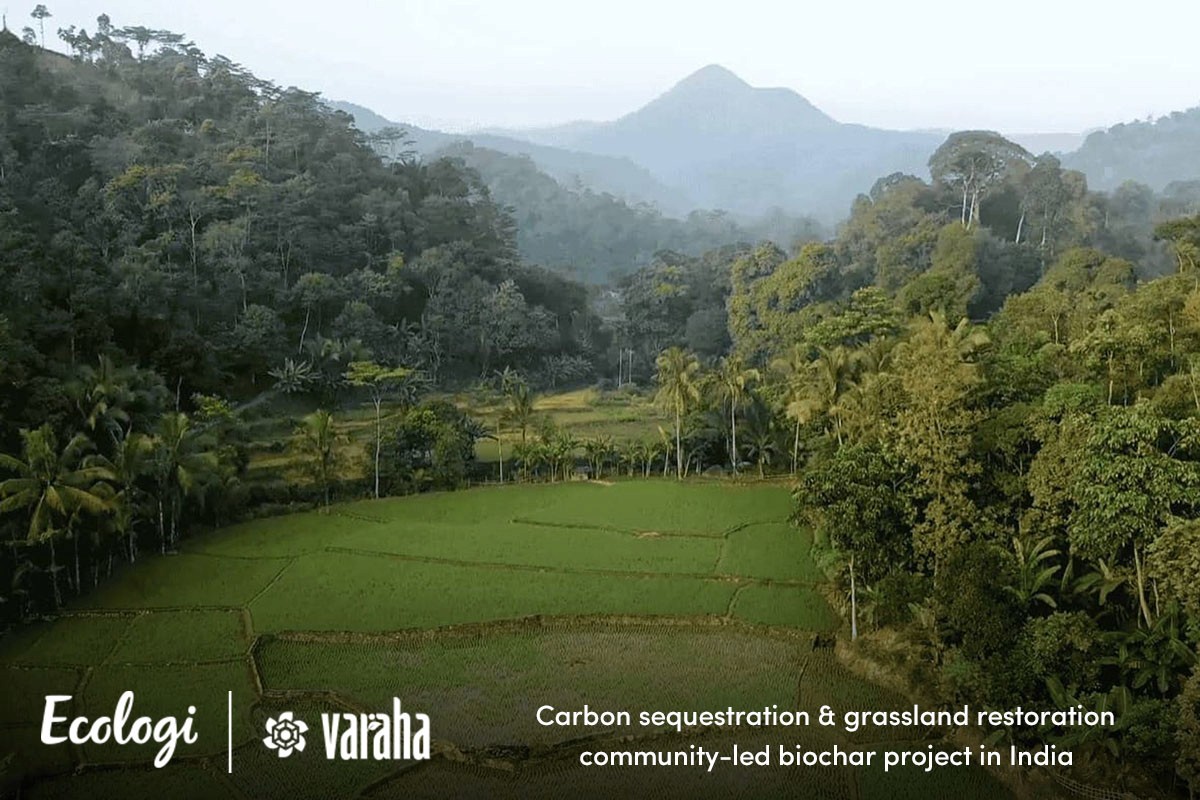
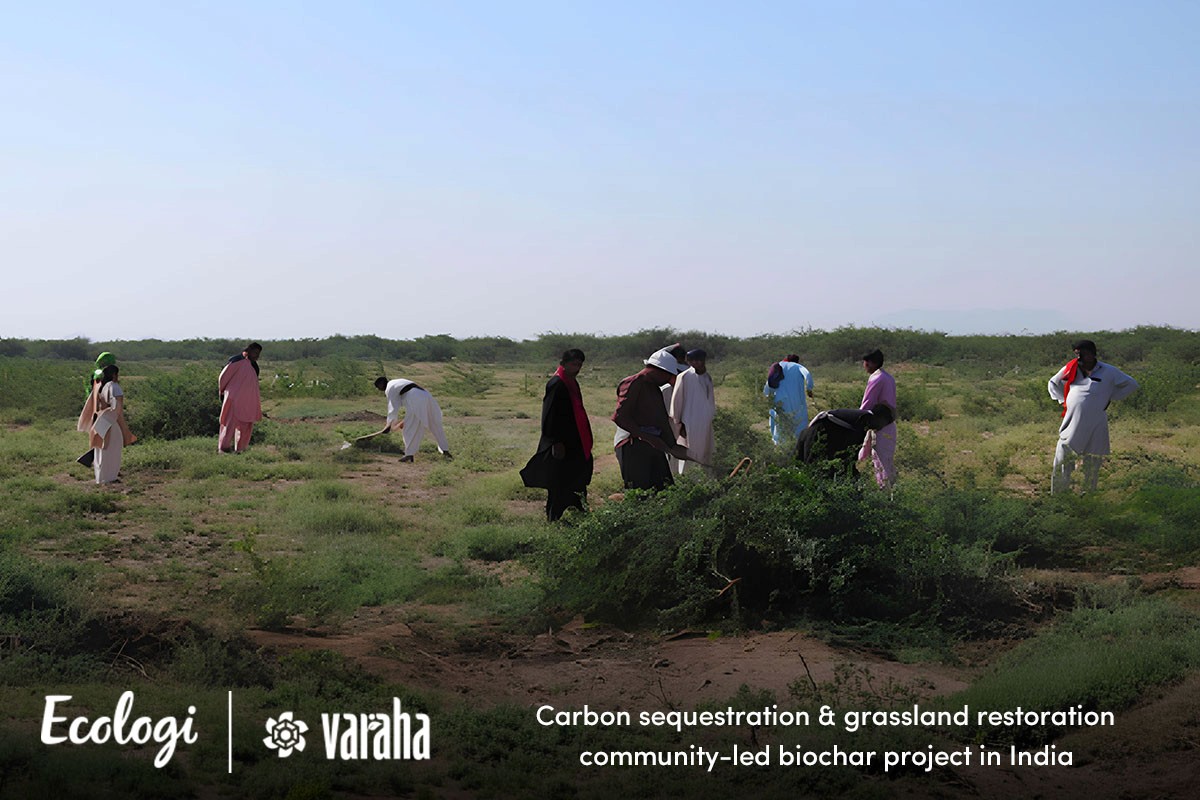
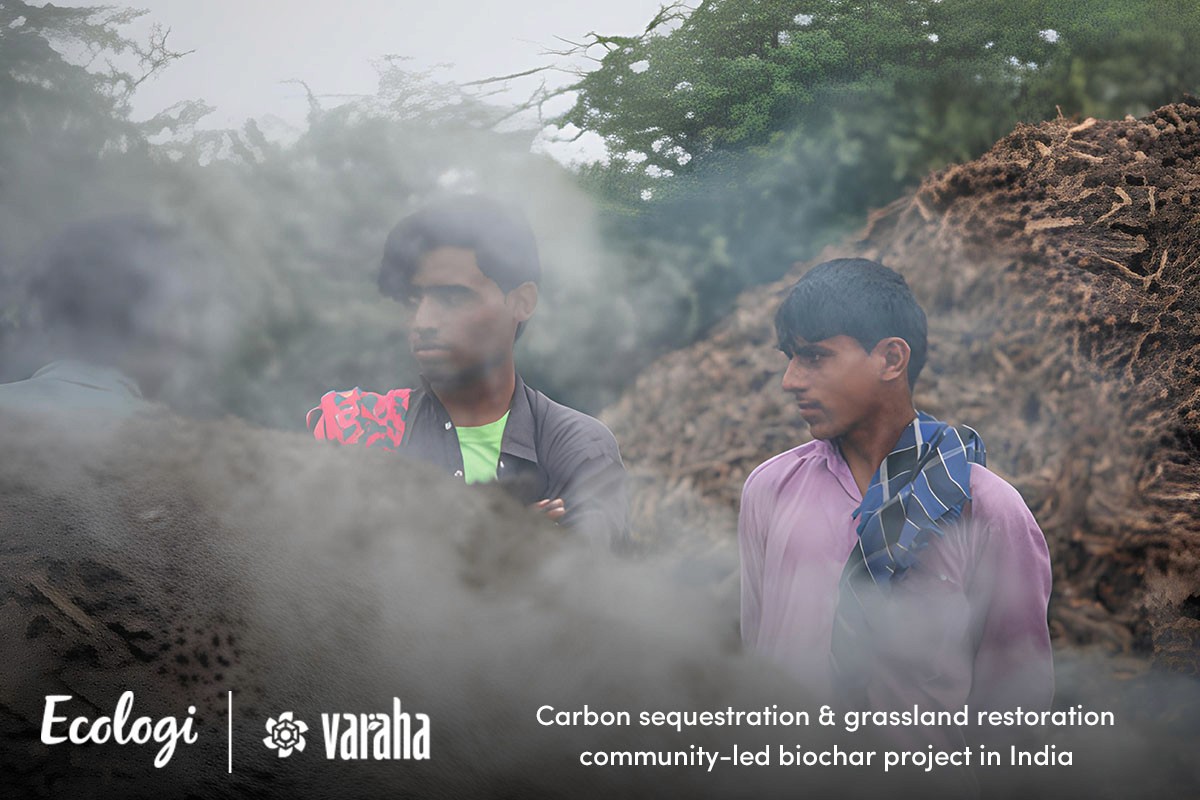
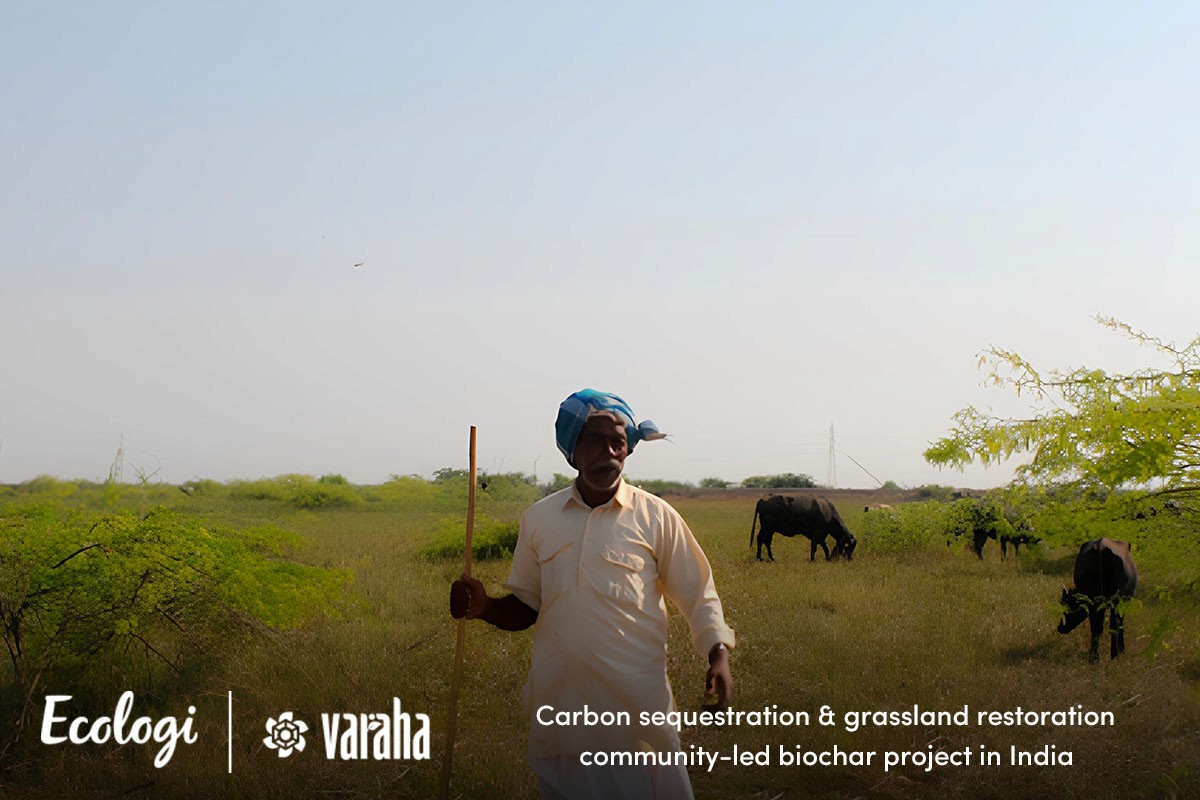
This community-led biochar project is one of the world’s largest, issuing ~15,000 tCO₂e per month with nearly 100,000 tCO₂e already delivered. The project tackles the urgent challenge of carbon sequestration by transforming the invasive Prosopis juliflora and cotton stalk residues into biochar, a stable form of carbon with long-term climate benefits.
Beyond carbon sequestration, the project delivers significant environmental and social co-benefits. It contributes to the restoration of degraded, invasive-infested grasslands, reduces harmful crop burning practices, and promotes the use of biochar as a soil amendment. This improves soil health by enhancing pH balance, water retention, and nutrient availability, supporting more resilient and productive agriculture.
Project timeline


The project aims to capture carbon from biomass , enabling durable carbon removal, with large volumes of CO₂ permanently sequestered. Over the first five years, the project is expected to sequester approximately 690,825 tonnes of CO₂ equivalent, averaging 138,165 tonnes CO₂eq per year.
About
Live
2025
Carbon removal
13
Fund this project
Funded directly through our Carbon removal through biochar in our marketplace. Alternatively speak to a climate expert to support your wider climate action strategy.
Impact partner

Varaha is a leading global climate tech startup that specialises in nature-based solutions, including regenerative agriculture, agroforestry, and biochar projects that promote climate adaptation, biodiversity, water conservation and increased income for smallholder land stewards.
Verifications

Global Artisan C-Sink